Hopper Bottom Silos
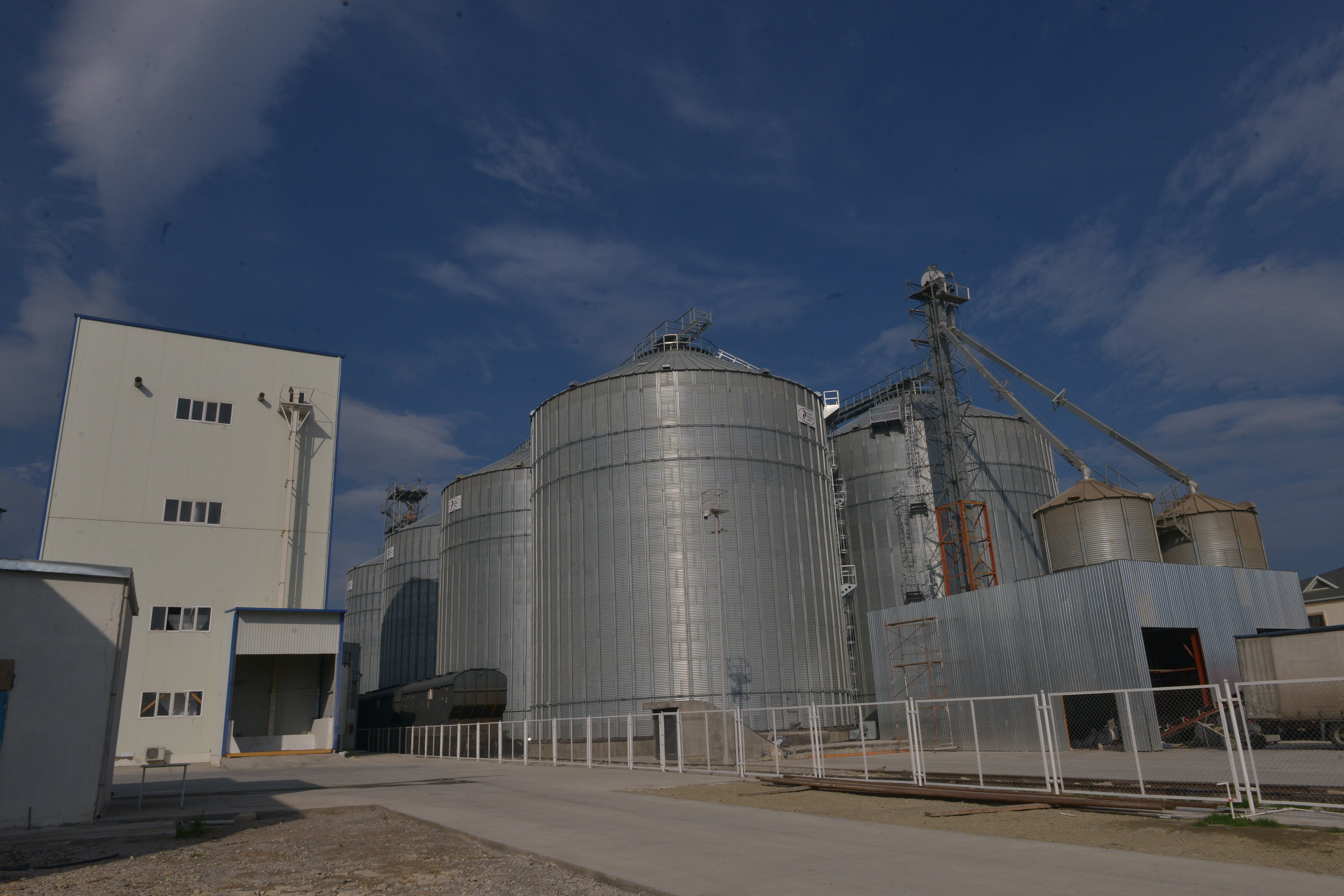
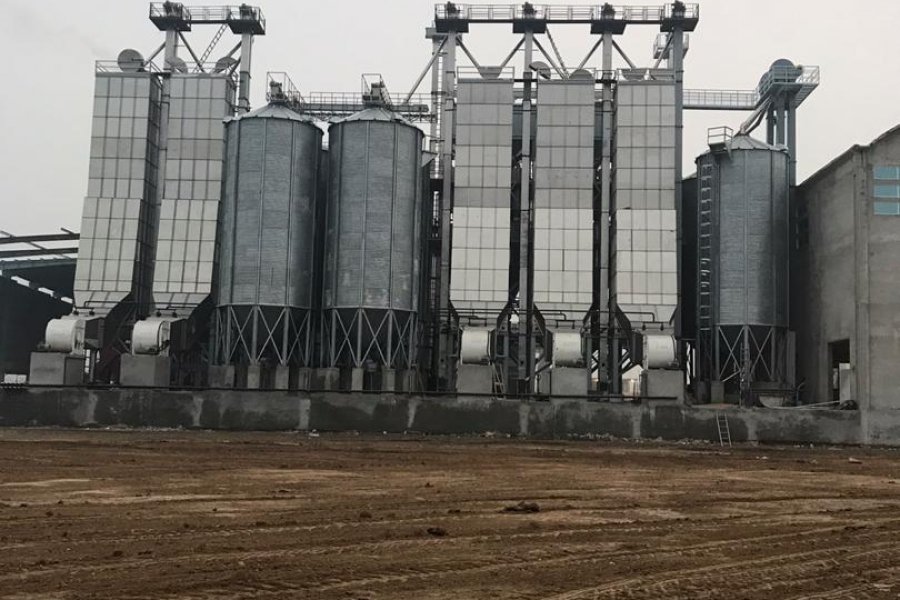
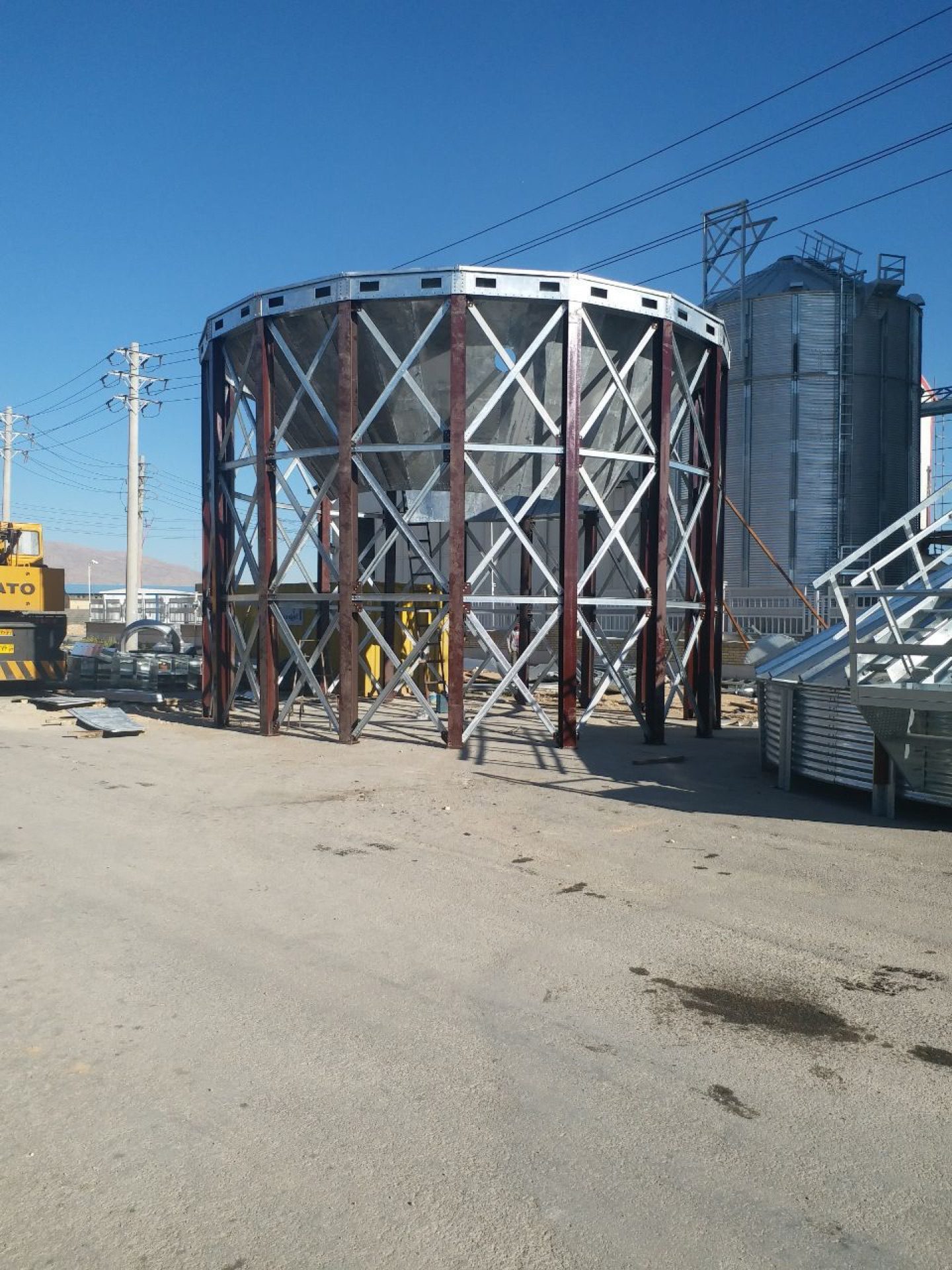
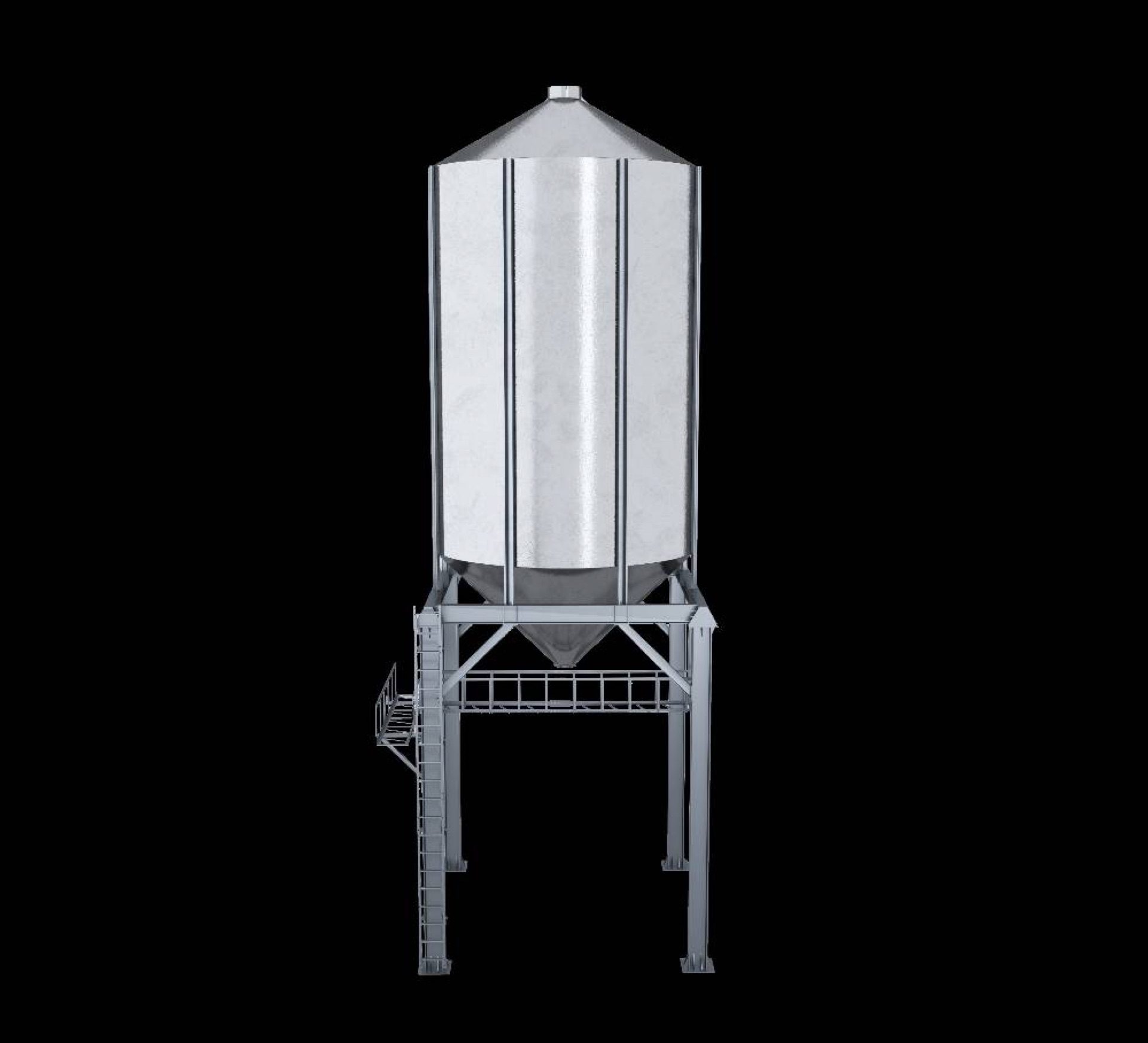
The elevated hopper design allows stored material to discharge directly through the bottom outlet, reducing the need for additional mechanical unloading equipment. This makes Hopper Bottom Silos particularly suitable for applications requiring frequent filling and discharge, such as feed mills, flour mills and grain processing facilities.
PRODUCT FLOW & HOPPER DESIGN
Different bulk materials have different flow characteristics, making hopper geometry an important part of silo design.
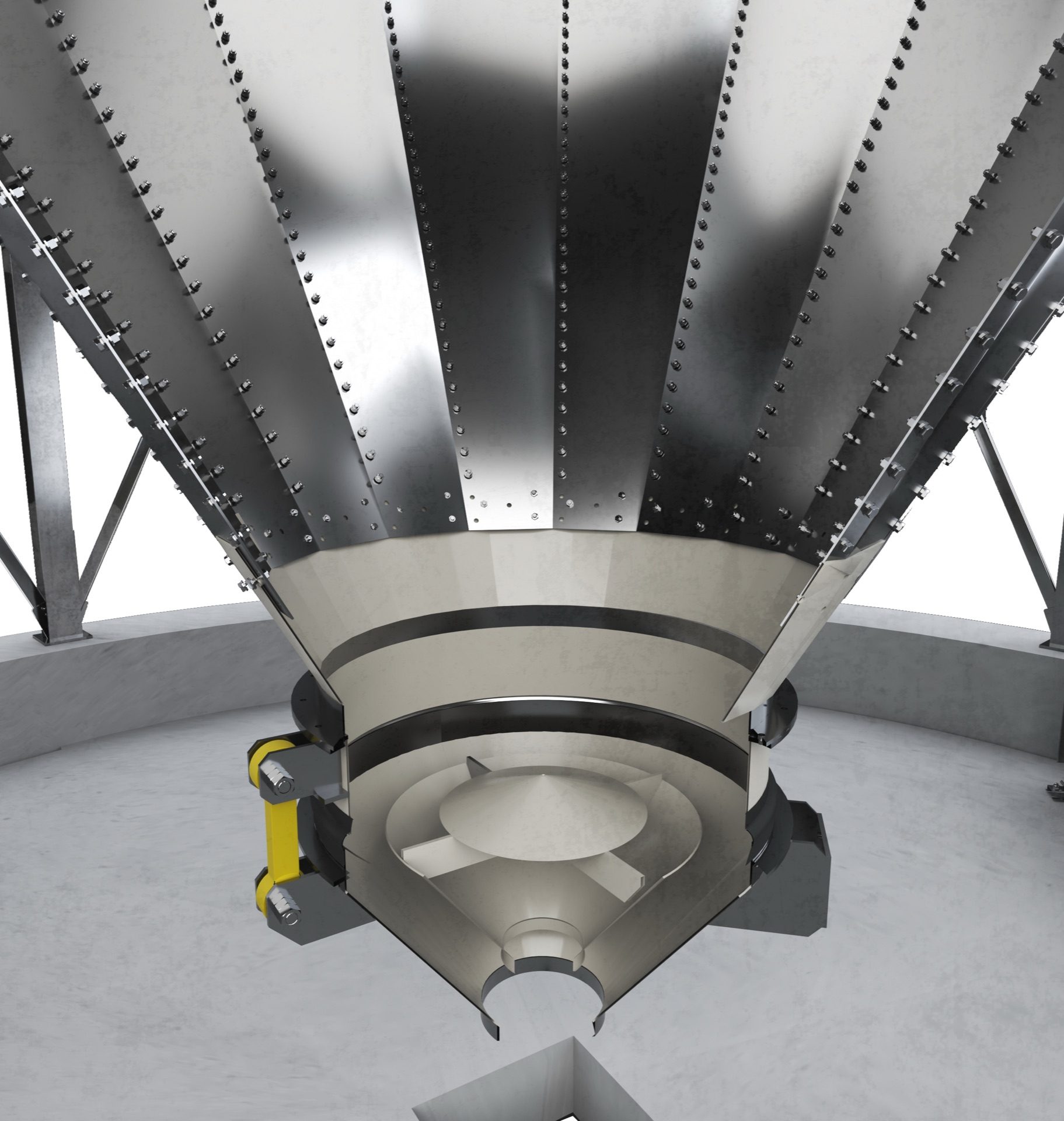
PSSILO Hopper Bottom Silos are designed with a standard 45° hopper angle, while 50°, 55° and 65° configurations are available according to the stored product and project requirements.
Selecting the appropriate hopper angle supports smooth gravity discharge and helps reduce material accumulation inside the hopper, allowing the silo to be configured according to the flow characteristics of the stored product.
ENGINEERING & STRUCTURE
In a Hopper Bottom Silo, the weight of the stored material is transferred through the hopper cone to the supporting steel structure. The silo body, hopper and support structure must therefore be engineered as one structural system.
PSSILO Hopper Bottom Silos use S350GD+ high-strength structural steel for the silo body. A heavy-duty H-beam support structure carries the silo and stored-product loads, with the final configuration determined according to silo capacity, project loads and applicable seismic requirements.
The silo body and hopper cone are assembled using bolted connections, providing a strong and practical structural connection between the main components.
CORROSION PROTECTION
PSSILO Hopper Bottom Silos are designed with different corrosion-protection options according to the application, component and environmental conditions of the project.
Galvanized steel with Z350, Z450 or Z600 g/m² coating can be selected according to project requirements. For components requiring enhanced corrosion protection, Magnelis® ZM310 coating is also available.
CAPACITY & SILO SIZING
PSSILO Hopper Bottom Silos are available in storage capacities from 50 to 1,500 tons and diameters from 3.66 m to 10.97 m.
Final silo capacity and dimensions are determined according to the stored product, bulk density, required storage volume and operating conditions.
The hopper angle is also selected as part of this process, ensuring that both storage capacity and discharge characteristics are considered when configuring the silo.
COMPLETE SYSTEM INTEGRATION
A Hopper Bottom Silo can be integrated directly into the material flow of a grain storage or processing facility.
Depending on project requirements, PSSILO Hopper Bottom Silos can be integrated with:
- Bucket elevators
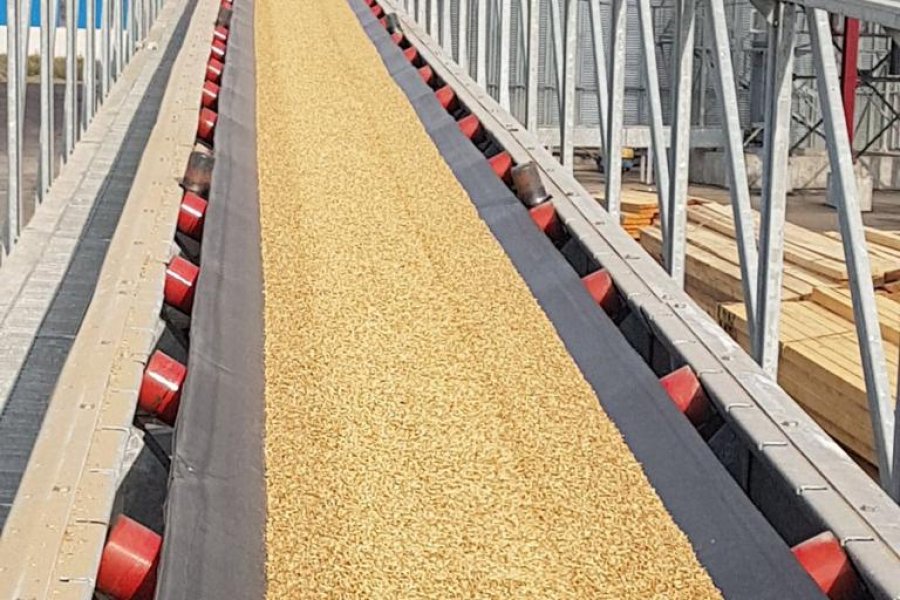
- Chain and belt conveyors
- Filling and discharge systems
- Level monitoring systems
- Temperature monitoring systems
- Aeration systems
- Dust collection and aspiration systems
- PLC & SCADA automation
By combining gravity discharge with integrated conveying and automation, the silo can operate efficiently between grain intake, storage and downstream production processes.
WHY PSSILO?
PSSILO approaches the Hopper Bottom Silo as part of the complete storage and material handling process rather than as an isolated storage unit.
Silo capacity, hopper angle, structural loads, corrosion protection and discharge requirements are evaluated according to the stored product, site conditions and operating requirements of each project.
From silo engineering and supporting steel structures to conveying, monitoring and automation, PSSILO can integrate the complete system around the requirements of the facility.
| Storage Capacity | 50–1,500 tons |
|---|---|
| Diameter Range | 3.66–10.97 m |
| Sidewall Steel | S350GD+ |
| Galvanized Coating | Z350 / Z450 / Z600 g/m² |
| Magnelis® Coating | ZM310 |
| Standard Hopper Angle | 45° |
| Optional Hopper Angles | 50° / 55° / 65° |
| Support Structure | Heavy-Duty H-Beam Structure |
| Body & Hopper Connection | Bolted Connection |
| Structural Design | Project-Specific Load Design |
Products
Explore our other solutions in the same group.