Farm-Type Silo
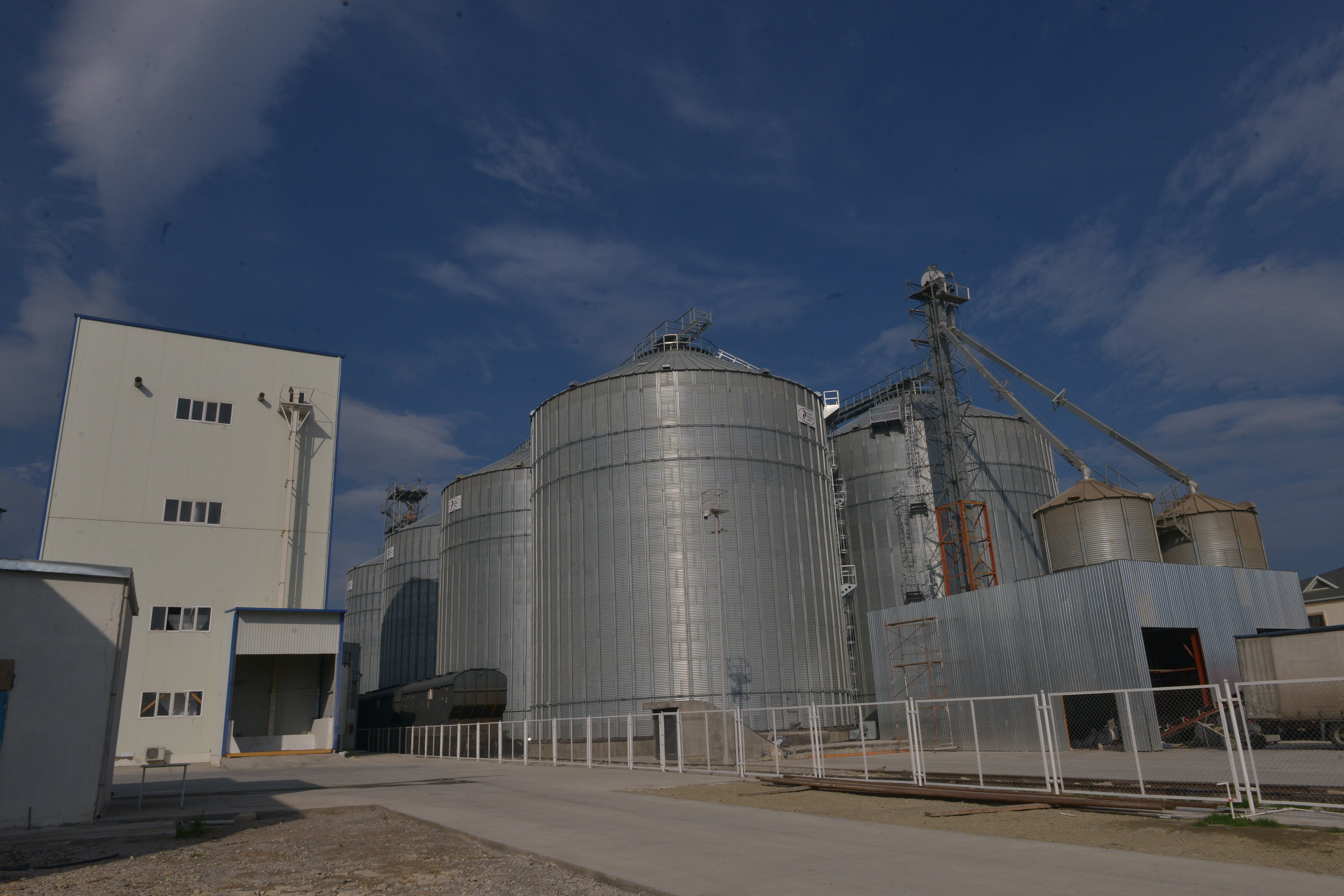
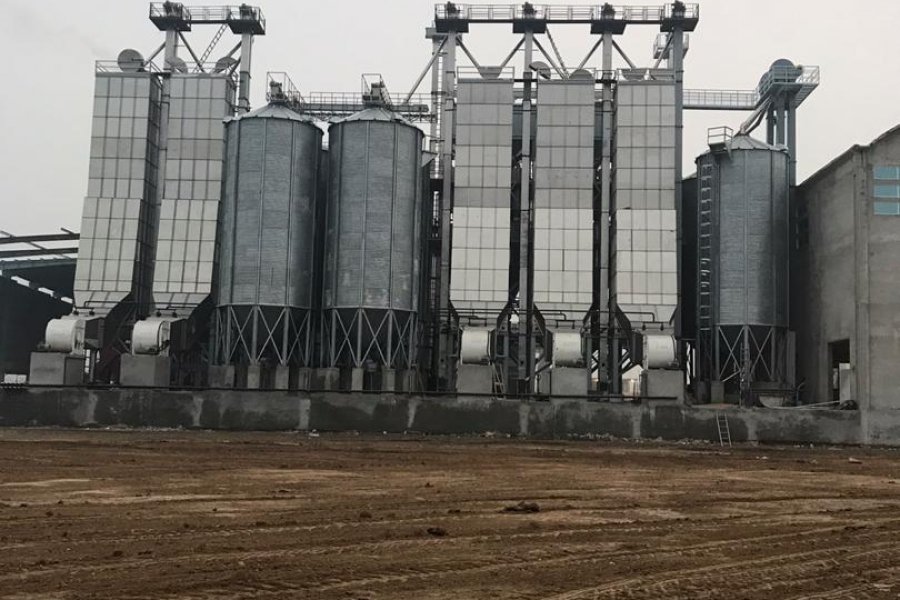
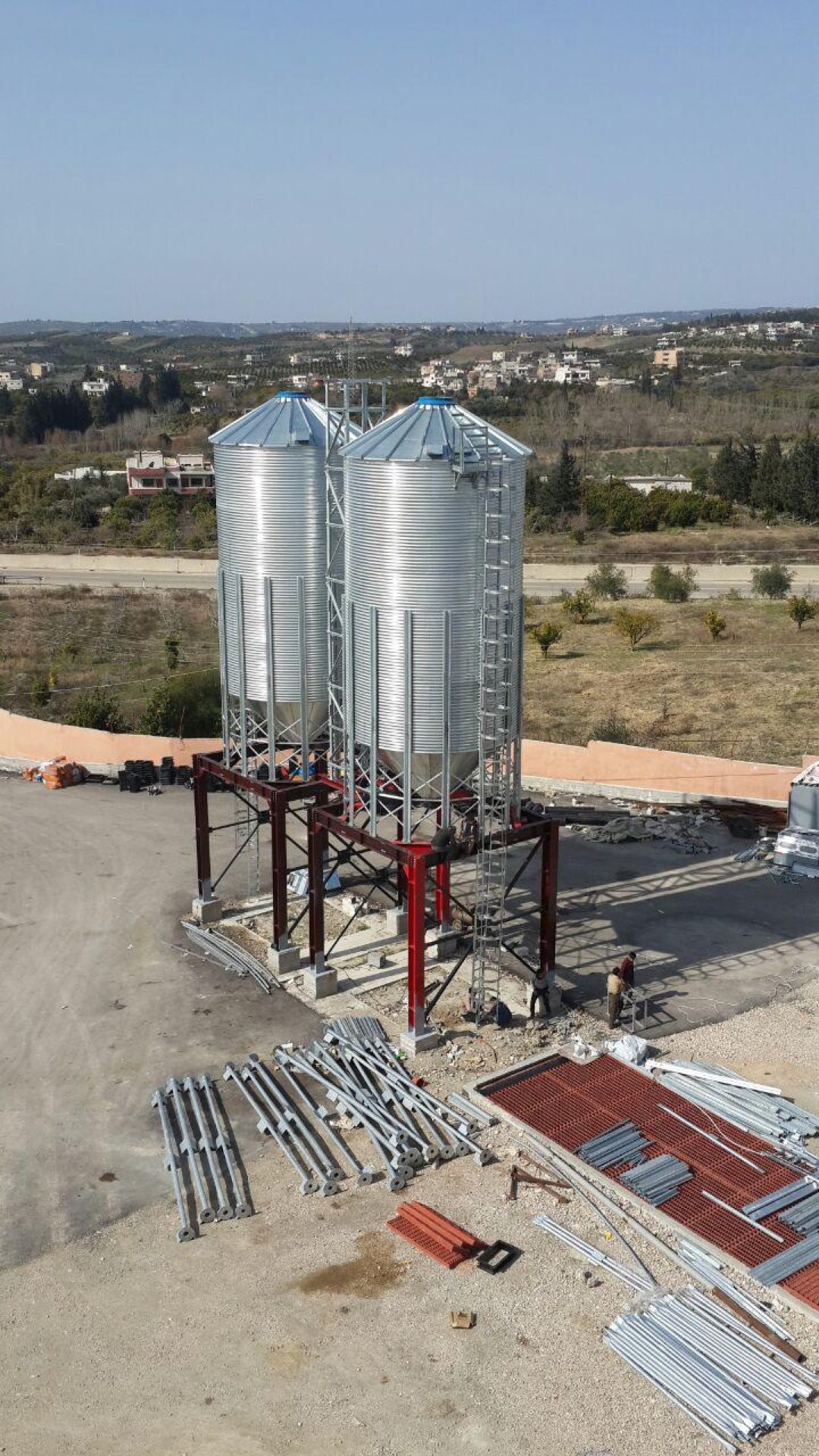
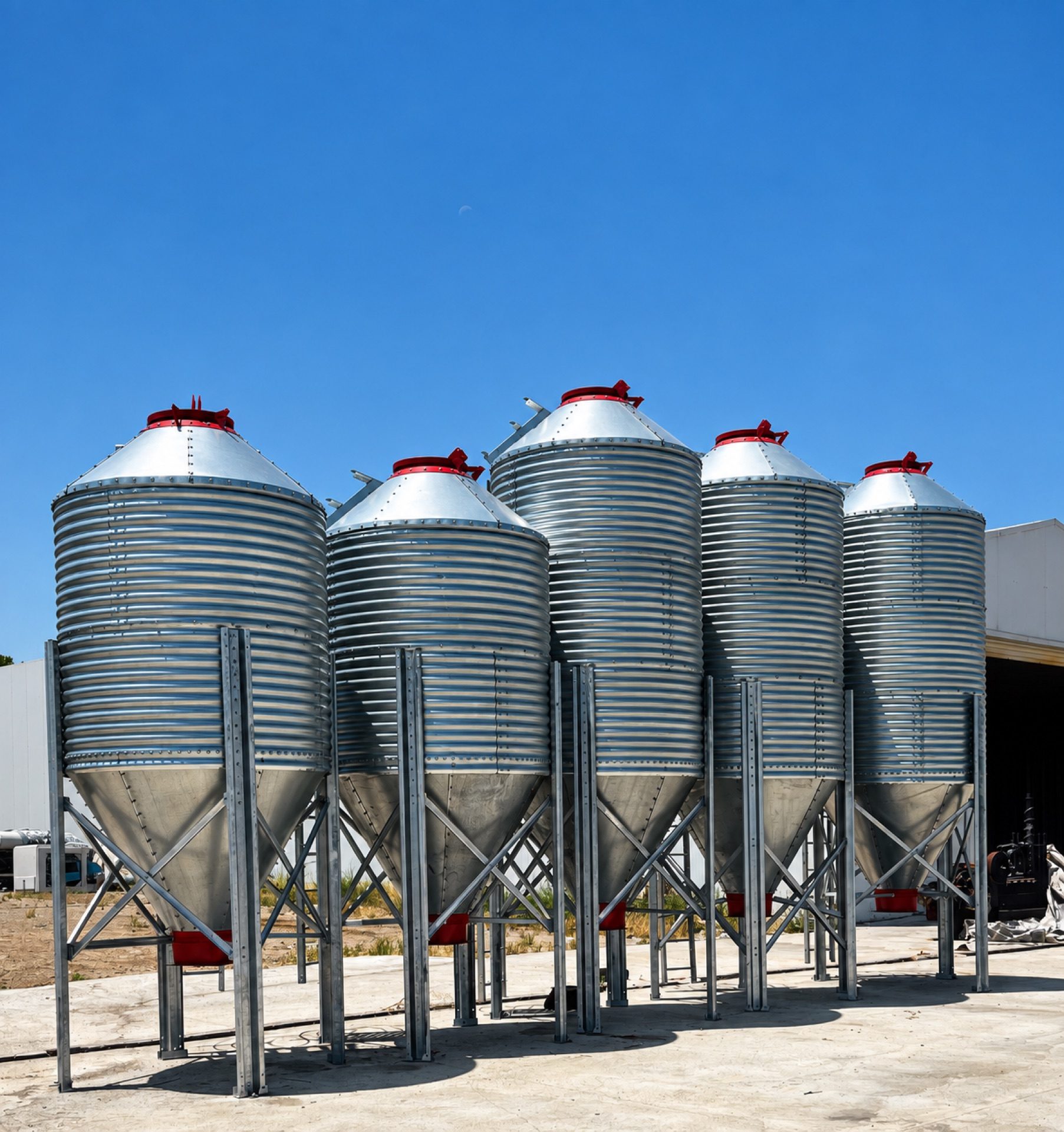
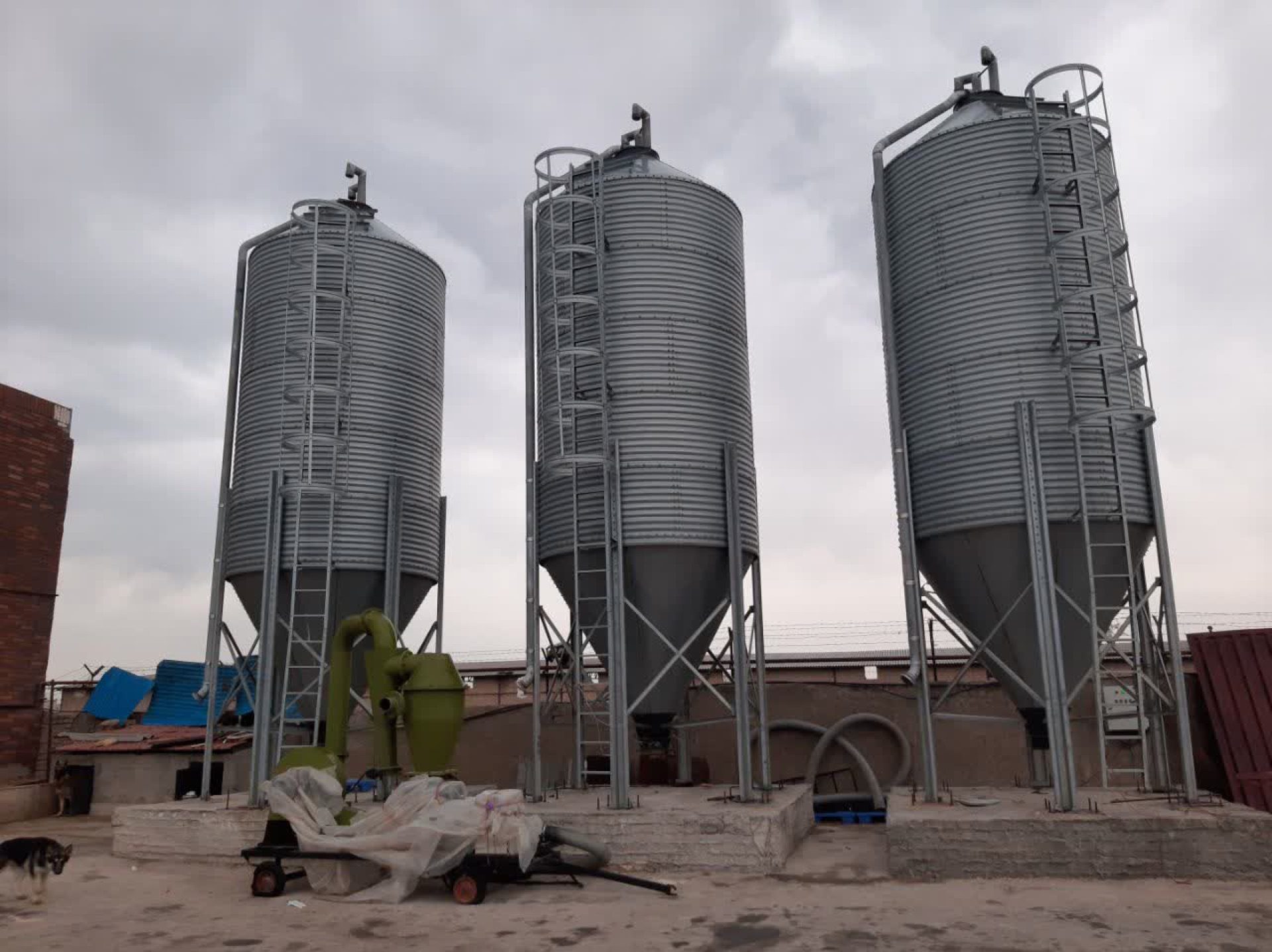
PSSILO Farm Silos are designed for the safe and controlled storage of wheat, maize, barley, paddy and other cereal grains at farms and agricultural facilities.
Each silo system is configured according to the stored product, required capacity, storage period and site conditions, allowing farmers and agricultural operators to store harvested grain under suitable conditions and manage it efficiently until use or dispatch.
SAFE GRAIN STORAGE
Proper post-harvest storage is essential for maintaining grain quality and protecting the value of the stored product.
PSSILO Farm Silos provide a protected storage environment and can be configured with aeration and temperature monitoring systems according to project requirements.
This transforms the silo from a simple storage structure into a controlled grain storage system designed to support suitable conditions throughout the storage period.
AERATION & TEMPERATURE MONITORING
Temperature and moisture development within the grain mass can negatively affect grain quality during storage.
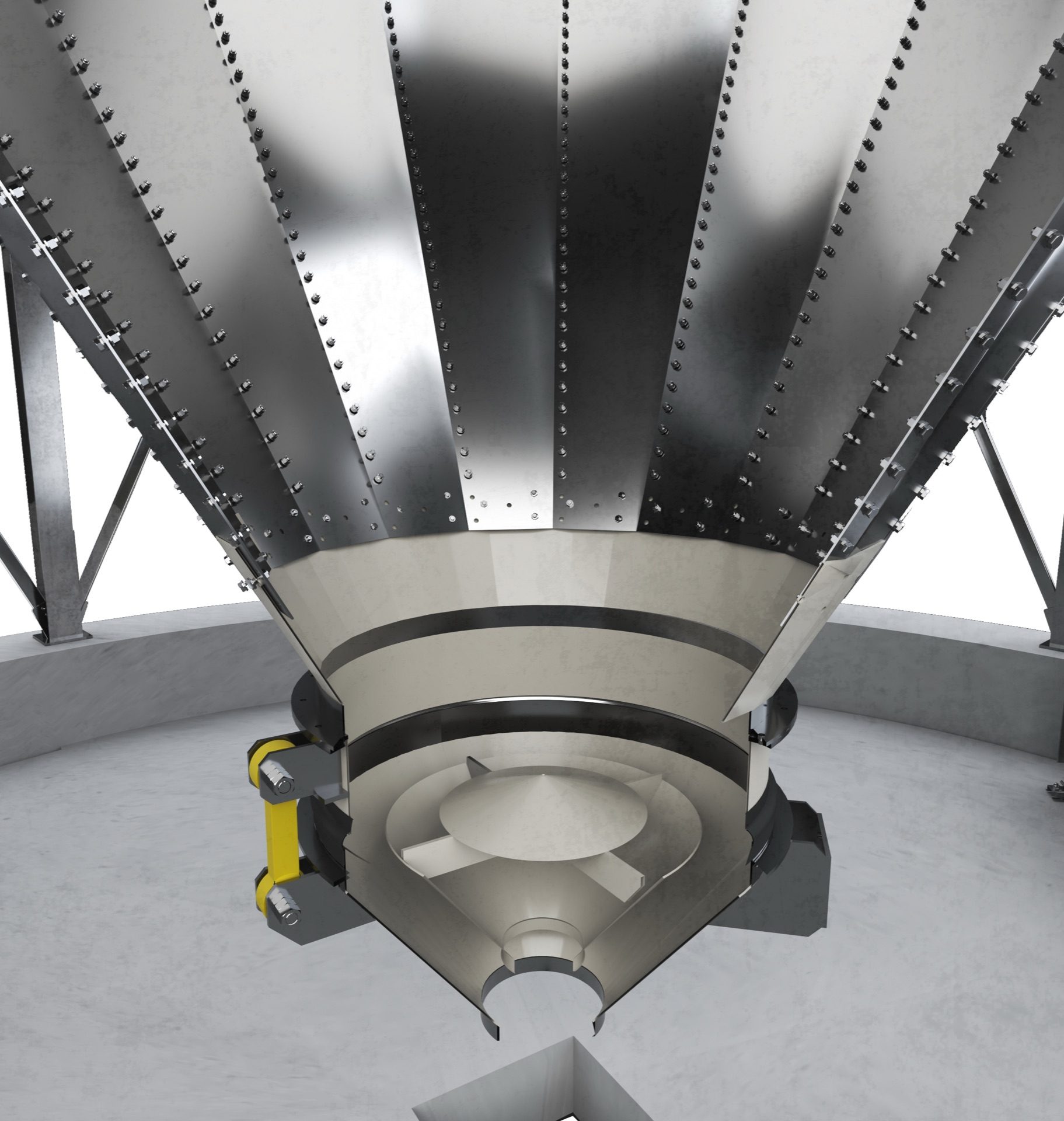
PSSILO aeration systems are engineered according to silo capacity, grain depth and stored product. Required airflow and pressure are calculated according to the actual storage conditions of the project.
Depending on project requirements, the silo can be integrated with:
- Aeration fans
- Air distribution systems
- Temperature monitoring
- Level monitoring
- Automation systems
This provides greater control and visibility over grain storage conditions.
PROJECT-SPECIFIC SILO SELECTION
Every farm has different storage and operating requirements.
When determining the appropriate silo configuration, PSSILO evaluates factors including:
- Type of stored grain
- Required storage capacity
- Product bulk density
- Required storage period
- Daily grain intake and discharge
- Available site area
- Filling and discharge method
- Local climate and site conditions
This approach allows the storage system to be sized according to the actual requirements of the farm rather than selecting silo capacity alone.
FILLING & DISCHARGE
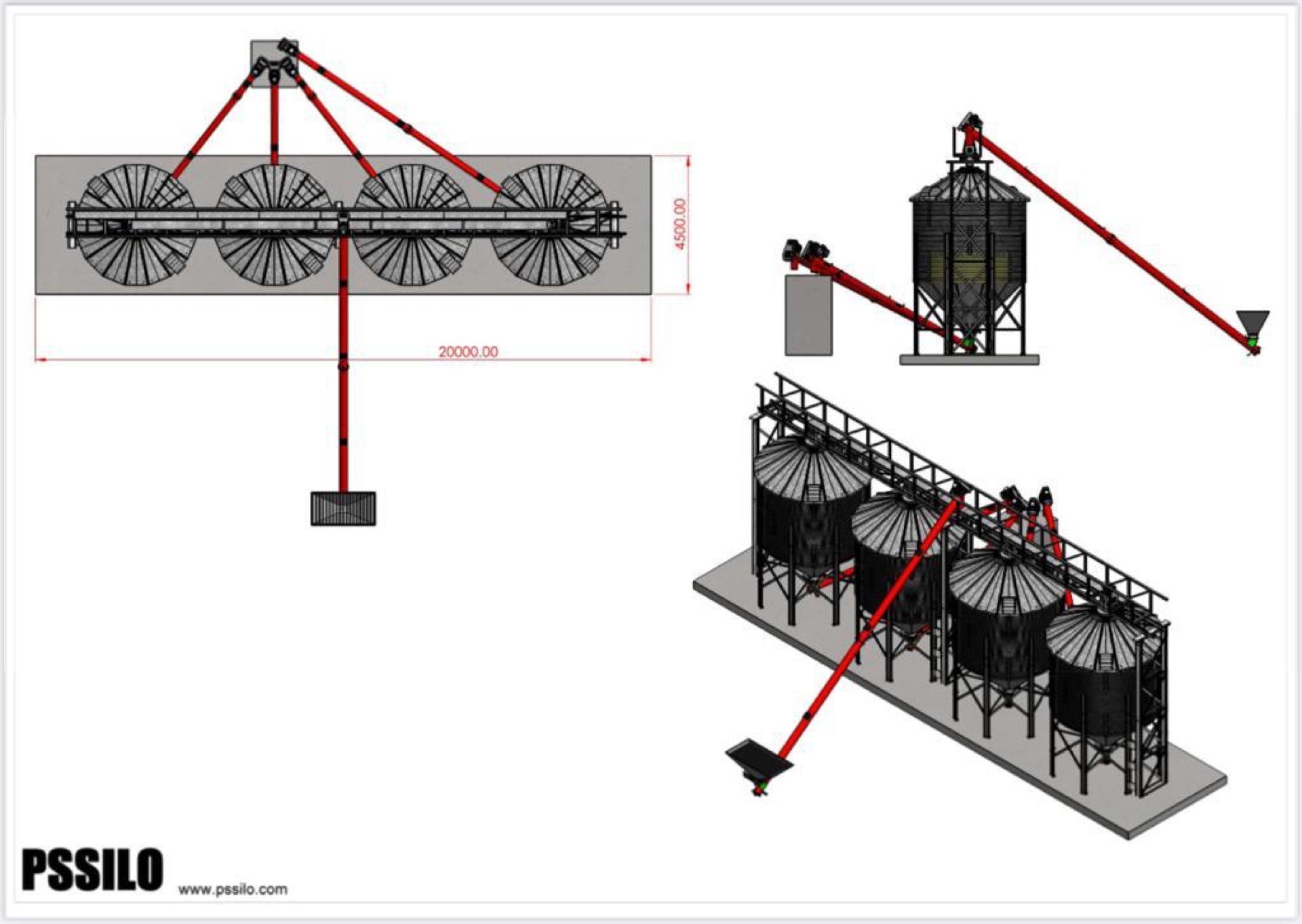
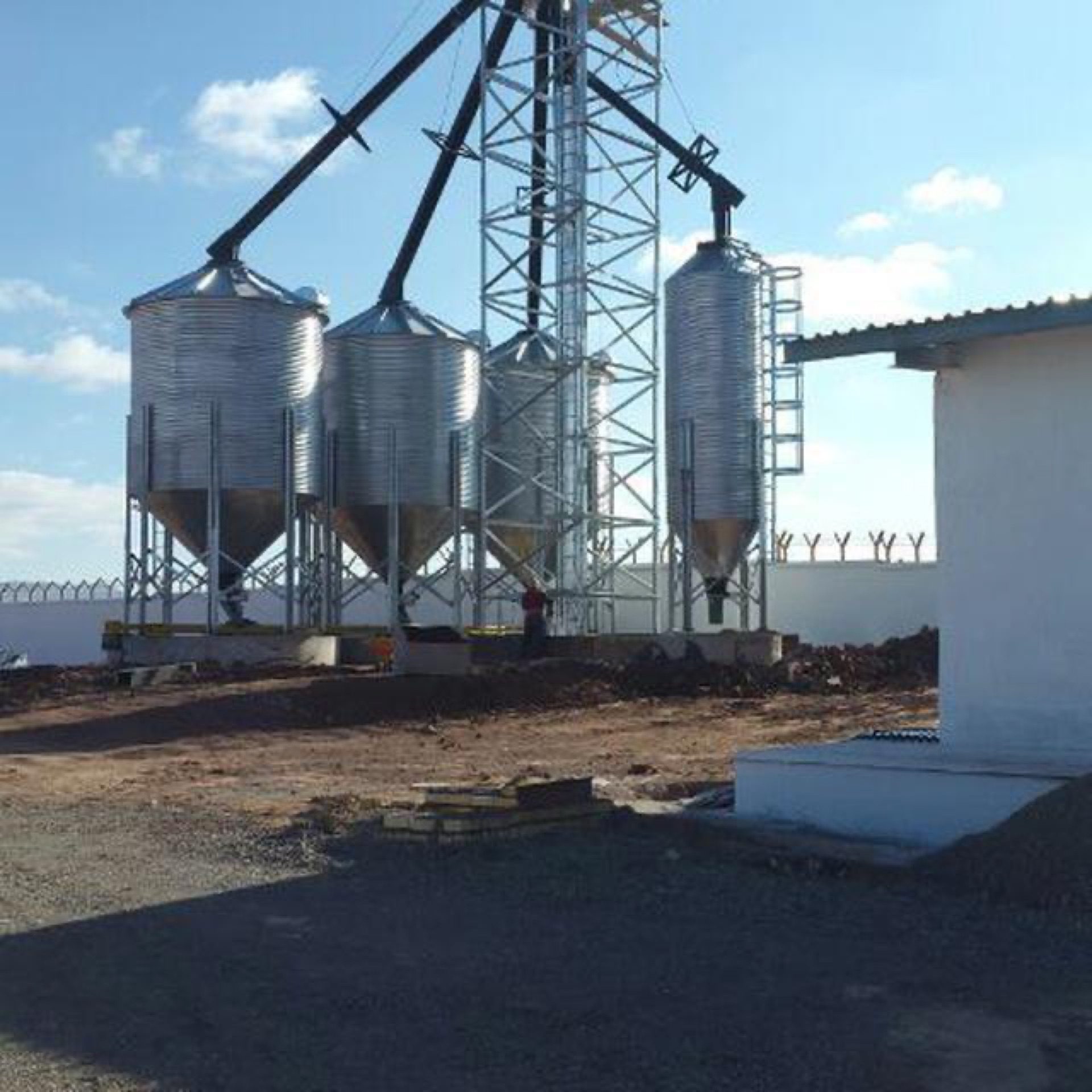
Farm Silos can be integrated with different filling and discharge systems according to the required capacity and operating method.
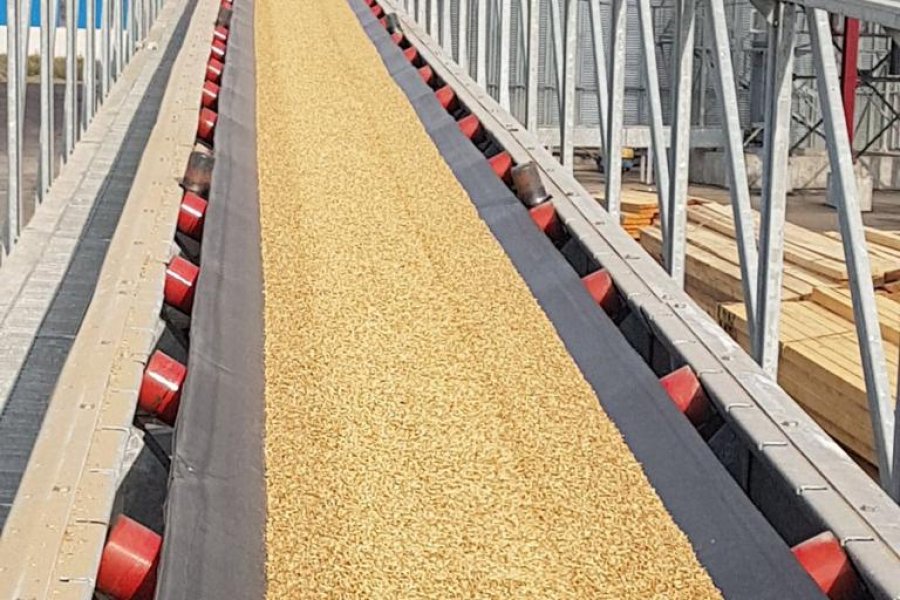
Bucket elevators, chain conveyors, belt conveyors and screw conveyors can be used to transfer grain from the receiving point to the silo and from the silo to downstream processing, loading or dispatch points.
This creates a more organized and controlled grain flow while reducing the need for manual material handling.
COMPLETE FARM STORAGE SYSTEM
Depending on project requirements, PSSILO Farm Silos can be engineered as part of a complete grain storage system incorporating:
- Grain intake systems
- Pre-cleaning and cleaning equipment
- Grain drying systems
- Bucket elevators
- Chain conveyors
- Belt conveyors
- Screw conveyors
- Aeration systems
- Temperature and level monitoring
- Filling and discharge systems
- PLC & automation systems
This allows grain receiving, cleaning, drying, storage, discharge and dispatch to be planned as one integrated process.
WHY PSSILO?
PSSILO approaches a Farm Silo as part of the farm's complete grain management process rather than simply as a storage structure.
Stored product, required capacity, site conditions, aeration, filling, discharge and conveying requirements are evaluated together to develop a storage system suited to the actual needs of each project.
By integrating silos with grain handling, aeration, monitoring and automation equipment, PSSILO can provide scalable grain storage solutions for different farm capacities and operational requirements.
| Storage Capacity | Project-Specific |
|---|---|
| Application | Farm Grain Storage |
| Suitable Products | Wheat, Maize, Barley, Paddy & Other Cereal Grains |
| Automation | PLC Integration |
| Silo Configuration | Project-Specific |
| Aeration System | Available |
| Temperature Monitoring | Available |
| Level Monitoring | Available |
| Filling & Discharge | Project-Specific |
| Grain Handling Integration | Available |
Products
Explore our other solutions in the same group.